POlicy papers
The Impacts of Housing Instability Among People Recently Released from Incarceration
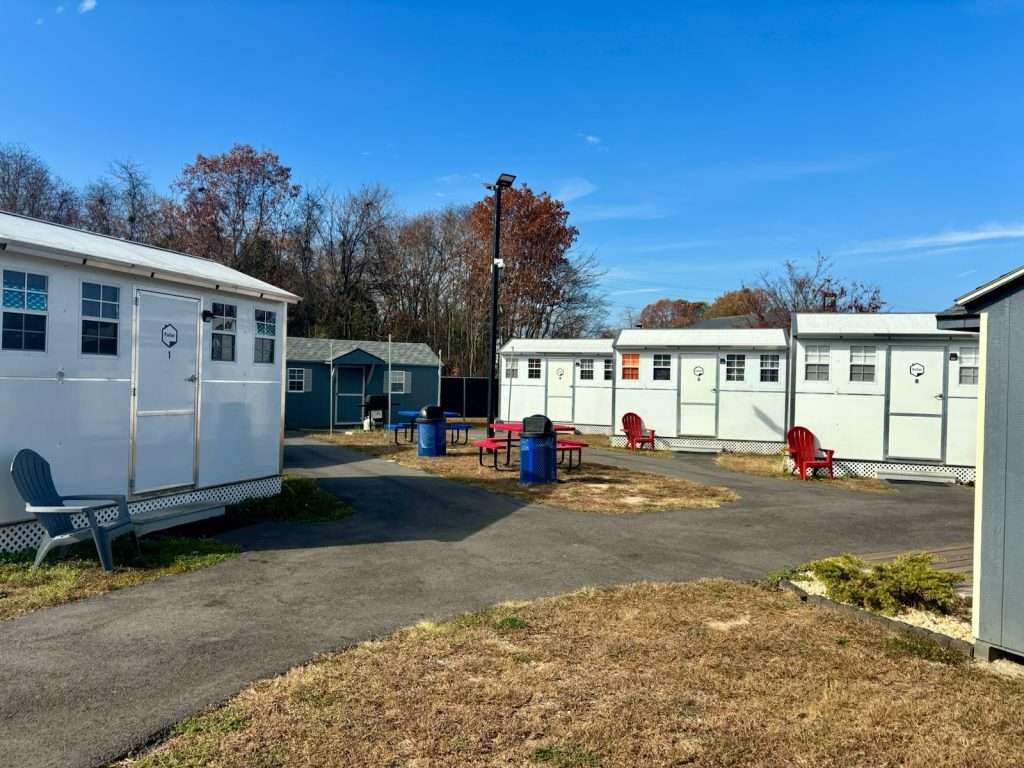
Every individual deserves a place to call home. As the Coalition has highlighted in the past, individuals returning to society post-incarceration face enormous barriers to success – but one of the top barriers to successful reintegration is unstable housing and homelessness. The Coalition asked the Center for Effective Public Policy (CEPP) to review research pertaining to incarceration and homelessness, summarize the prevailing issues and highlight best practices in addressing the impacts of housing instability among individual recently released from the criminal justice system.
Prison Classification System
A prison classification system categorizes incarcerated individuals into groups by security needs, in order to assign them to the proper custody settings. Classifications are the basis for an individual’s programming, treatment needs, housing, work, visitation rights and other privileges. The Coalition asked the Center for Effective Public Policy (CEPP) to review and summarize best practices around the prison classification system and its impact on an incarcerated individual’s release decisions.
Exploring the Impact of Halfway Houses and the Use of Revocations
Across New Jersey, halfway houses and residential community reintegration programs help people transition back into communities as productive citizens. The Coalition asked the Center for Effective Public Policy (CEPP) to examine the best practices of halfway houses and residential community reintegration programs to determine what specific programming, structures and treatments reduce recidivism and help support an individual’s successful transition back into the community post incarceration. The report also focuses on the use and consequences of revocations for noncriminal actions in these programs, highlighting several promising opportunities for the future.